Subtotal $0.00
By Arya – President & Co-Founder, The Mindroot Project
My grandfather was one of the most quietly persistent people I’ve ever known. There was no need for grand declarations — his strength was steady, unspoken. He had an almost architectural mind: structured, precise, reliable. His memory was extraordinary. He could recall entire passages of Persian poetry, list global political events by year, and recite decades-old family histories without a second thought. It wasn’t just a skill — it was a point of pride, a cornerstone of his identity.
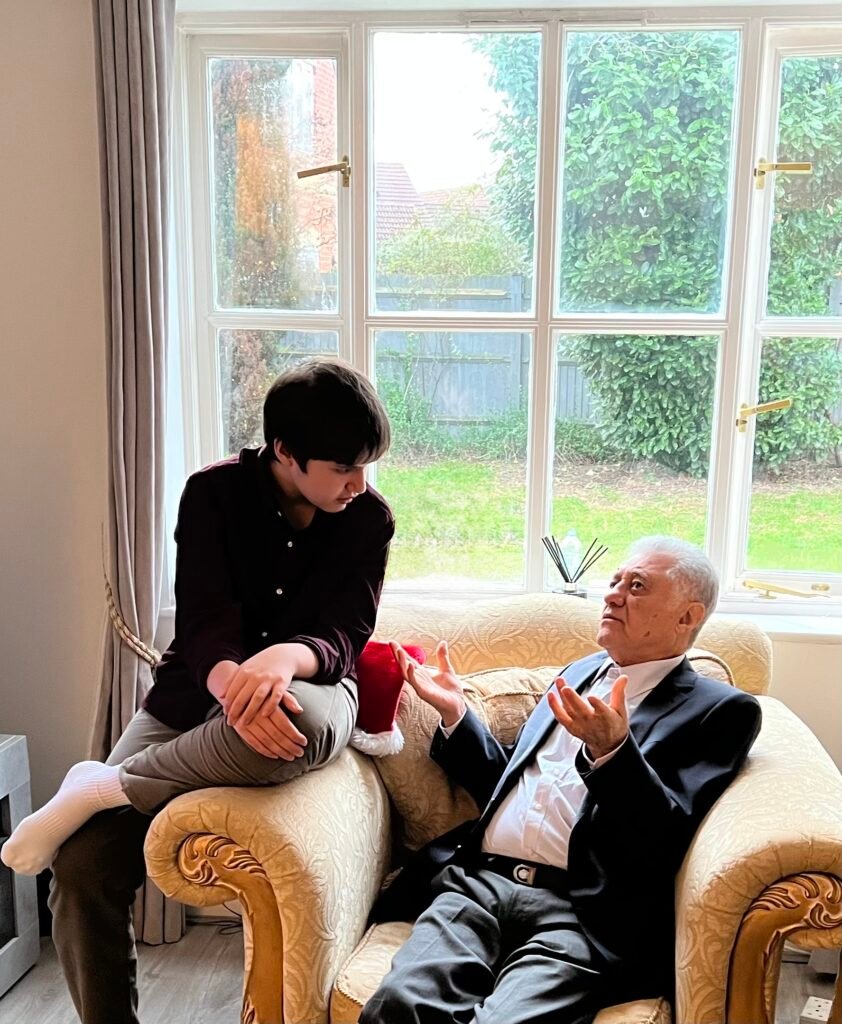
And then, piece by piece, that clarity began to fade.
At first it was small things. He’d ask a question twice, forget where he’d placed something, or repeat a short anecdote without realising. Then it was names, the flow of conversations, dates. But even as his short-term memory weakened, his long-term memory held firm — sometimes uncannily so. He could still recite the poems. Still remember Tehran’s streets as they once were. Still quote Hafez, and apply it to the modern world.
But there was a quiet tension in him — an awareness that something was changing. He was never the type to complain, but I could see it. In the way he paused mid-sentence. In the notes he started writing to himself. In the way he’d cover forgetfulness with humour, or repeat certain routines just to stay anchored. What I witnessed wasn’t just cognitive decline — it was a profound effort to remain whole, to fight invisibly for control over his own mind.
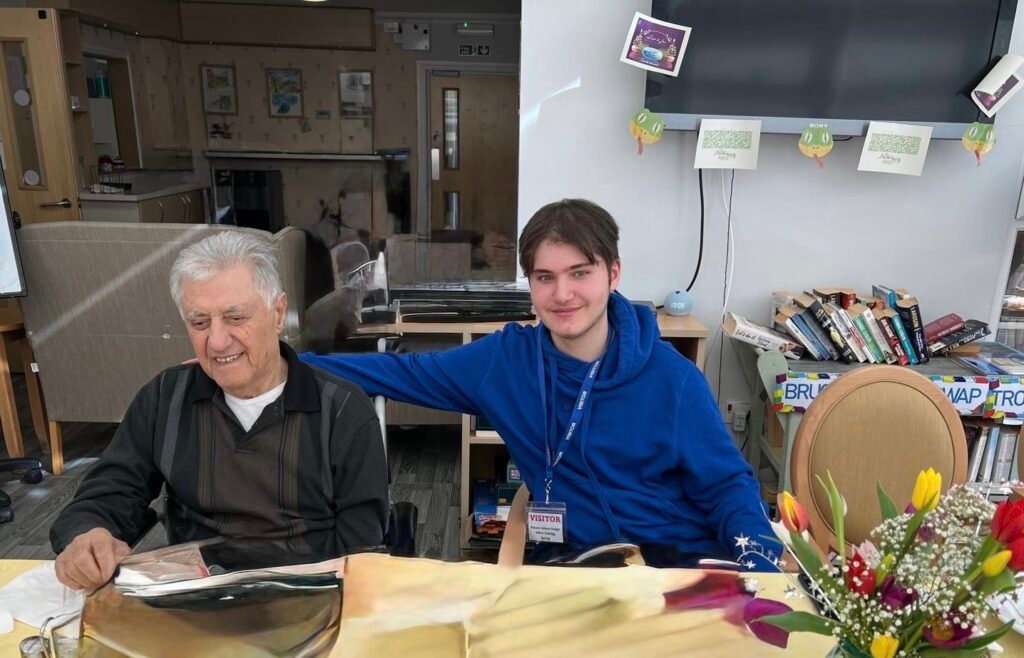
His struggle didn’t bring me pity. It brought me urgency.
Dementia is too often seen as inevitable, unpreventable, and remote — something that happens to “old people” behind closed doors. But it isn’t that. It’s a complex medical condition influenced by lifestyle, brain health, environment, and even education. More importantly, it begins long before it becomes visible. And I knew that if I was going to honour the persistence my grandfather showed, it wouldn’t be by looking backward. It would be by acting forward.
That’s why I co-founded the Mindroot Project — not as a tribute, but as a movement.
Mindroot is a youth-led organisation dedicated to changing the way society approaches dementia. Our work is grounded in the belief that dementia is not simply a care issue — it’s a societal issue, a generational challenge, and a preventable crisis if we act early. We don’t just support awareness; we build it. We don’t just talk about memory loss; we redefine how people understand it. And we don’t just reach out to those already affected; we engage those who’ve never thought about dementia before.
Our structure is purposefully built around two core pillars:
- Awareness & Prevention, funded by our Fundraising Fund
- Engagement & Action, supported by our Events Fund
The Fundraising Fund powers high-impact campaigns that promote early education, brain health, and accessible scientific understanding. We partner with researchers and clinicians to amplify knowledge around the lifestyle and environmental factors that influence memory — diet, stress, sleep, exercise, and intellectual engagement — especially in young people. We invest in resources that demystify dementia in clear, empowering ways, from multilingual outreach materials to data-driven campaigns focused on prevention at every stage of life.
The Events Fund, meanwhile, is about activating communities. We run public forums, intergenerational workshops, university talks, and school assemblies designed not just to inform but to connect. Memory is not just science — it’s also story. And if we want to destigmatise dementia, we need to create space where stories can be shared and understood. Through everything from creative arts projects to culturally tailored community events, we make dementia visible — and challenge the silence that too often surrounds it.
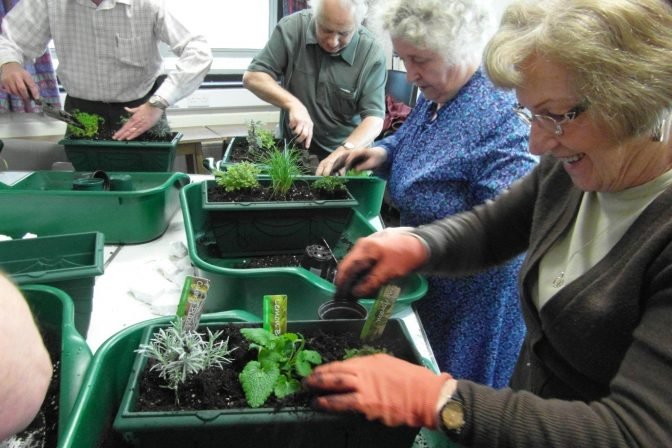
But Mindroot isn’t just about events and posters. It’s about building something permanent. We are currently developing a nationwide dementia prevention curriculum that can be integrated into schools and youth centres. We’re launching a Brain Health Pledge aimed at encouraging long-term lifestyle awareness from the age of 15. We’re working on a platform that brings together lived experience, clinical research, and public policy — bridging the gaps that keep action fragmented.
Everything we do is driven by one question: How can we act before it’s too late?
My grandfather didn’t live to see Mindroot launched. But his voice — steady, persistent, full of memory — is in everything we do. In the way we speak, in the way we organise, in the way we refuse to accept the idea that dementia is just a fact of life.
Our generation cannot afford to wait. Dementia won’t be solved by silence. It will be solved by systems, by science, by conversation — and by people who care enough to begin the work early.
This is our story. But it is not only mine.
It belongs to everyone who’s seen a loved one change before their eyes.
And it belongs to everyone willing to fight for a future where memory is protected — not just preserved.
